
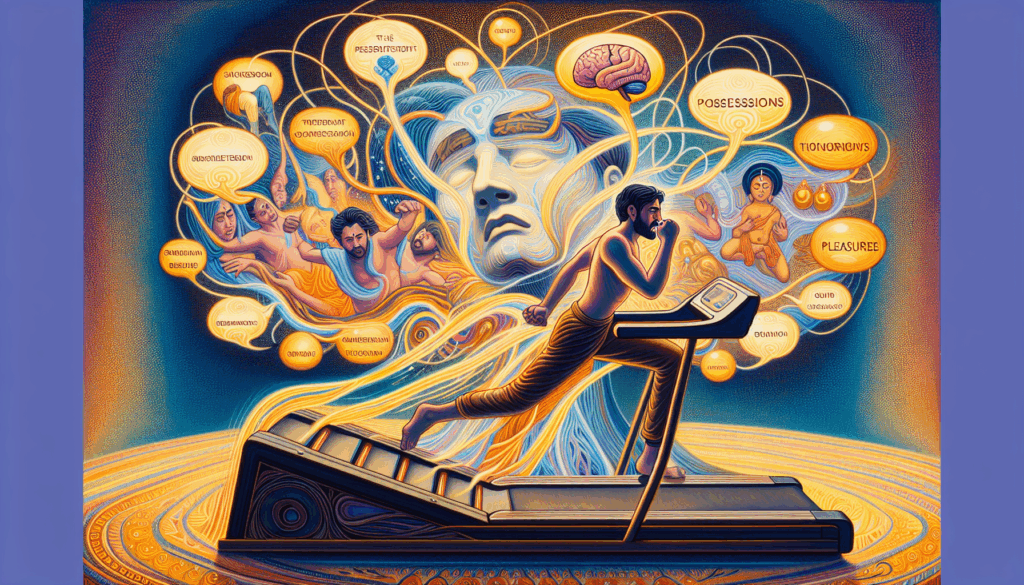
In our daily lives, it is incredibly easy to confuse temporary pleasure with true joy. We chase accomplishments, acquire possessions, and seek out favorable circumstances, only to find that fulfilling our desires often leads to greater mental agitation. This modern symptom of stress, burnout, and constant craving requires an ancient cure.
The profound wisdom shared here comes from a lecture by Sri Swami Jyotirmayananda, a direct disciple of Swami Sivananda. Through his illuminating commentary on the Yoga Vasistha, we are reminded that true success is not measured by material inheritance, but by the virtuous qualities we cultivate within our own hearts.
The world offers countless distractions and shallow pleasures. While there is no harm in feeling happiness, we must ask ourselves where this happiness is leading us. If a joy simply masks our deeper spiritual needs or distracts us from enriching our inner lives, it remains incomplete.
When we go from one pleasure center to another, our intellect becomes fragmented, and our desires multiply. True wisdom asks us to pause and distinguish between passing excitement and lasting fulfillment.
The Trap of Fulfilled Desires
A profound insight from this teaching is that even when our worldly desires are fulfilled, the mind rarely finds lasting rest. Instead, achieving what we want often generates a hunger for more. This cycle creates persistent mental agitation.
The remedy is not to abandon the world, but to shift our focus inward, prioritizing the purification of the mind over the accumulation of transient experiences.
The Healing Power of Satsanga
To counter the noise of the world, we must actively seek out Satsanga—association with the truth. This does not strictly mean retreating to the Himalayas to find a sage.
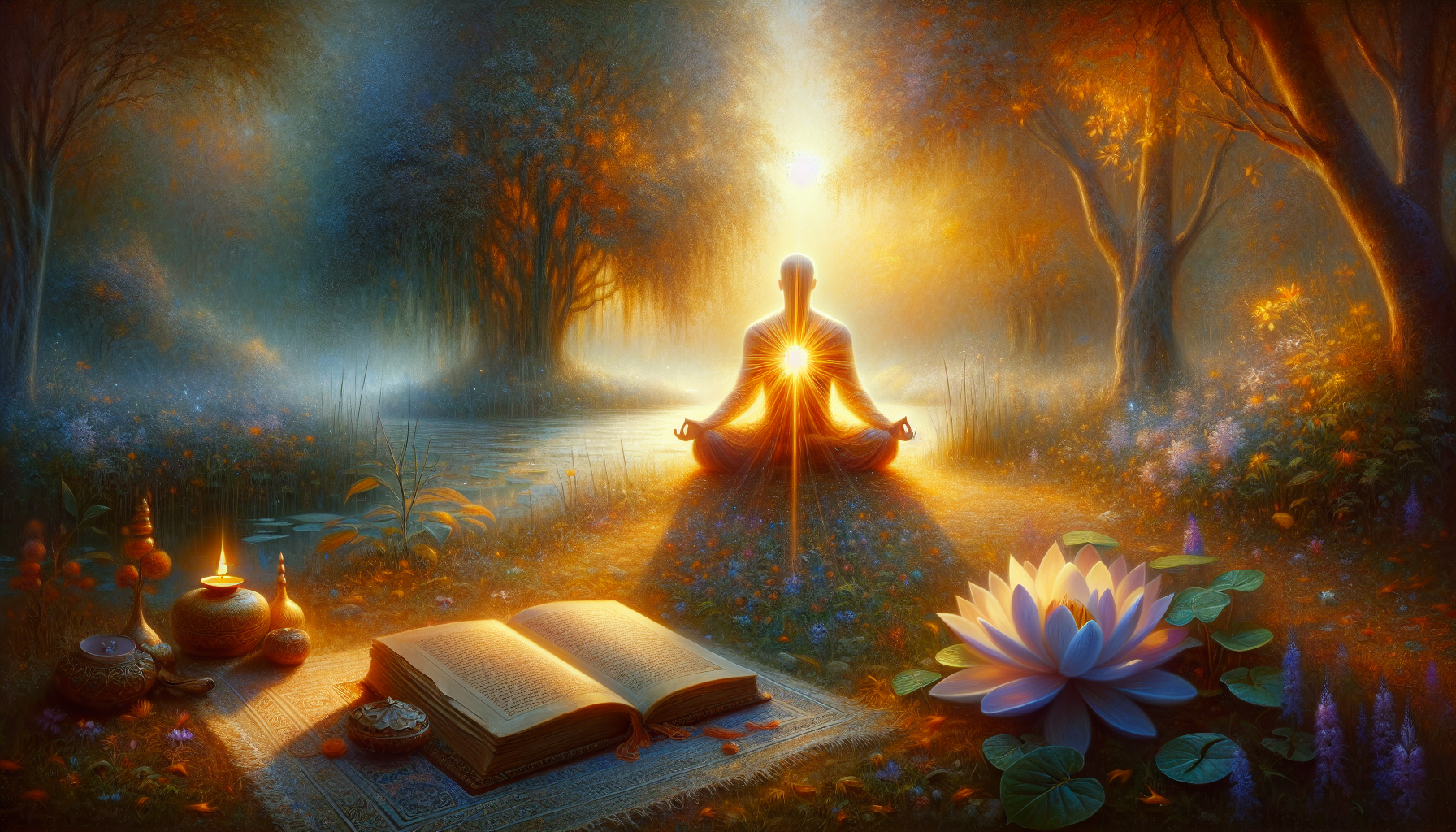
True Satsanga happens whenever we connect with inspiring sources: a profound book, a generous friend, or the teachings of an enlightened spiritual guide. Even nature itself, from the blossoming of a flower to the warmth of the sun, can serve as a medium for divine inspiration if we remain sensitive and observant.
Facing Life’s Challenges Without Breaking
Life will inevitably present difficulties. As an aspirant, the goal is not to become unfeeling or completely detached from human experience. If you need to weep, weep; if you need to smile, smile.
We may be shaken by the events of the world, but grounded in the understanding of our true Self, we are never broken. Deep down, the real “I am” remains untouched by the shifting landscape of pain and pleasure.
Cultivating Spontaneous Surrender
As we progress, three vital attitudes emerge:
- Sahaj (Spontaneous): Facing challenges naturally, recognizing that the Divine sustains us through every stage of life.
- Saras (Sweetness): Maintaining inner patience and finding the mystic sweetness even in times of adversity.
- Sayujya (Union): The ultimate realization of our unity with the Divine.
Scholar’s Corner
Text: Yoga Vasistha
Section: Sthiti Prakaraṇa, Section 62
Core Principle: Having developed the ability to control the senses, enduring the pairs of opposites, and being endowed with a pure intellect, an aspirant is truly fit to approach a spiritual preceptor and acquire the knowledge of Brahman.
Glossary of Sanskrit Terms
- Brahman
- The Absolute Reality; the Supreme Self.
- Satsanga
- Association with the good or with the truth; spiritual gathering.
- Sthiti Prakaraṇa
- The section of the Yoga Vasistha dealing with preservation or existence.
- Kama
- Desire or longing, specifically for worldly pleasures.
- Buddhi-nasha
- The destruction or fragmentation of the intellect due to extreme mental agitation.
- Sahaj
- Natural or spontaneous state.
- Saras
- Juicy, sweet, or filled with essence; finding the joy in spiritual patience.
- Sayujya
- Ultimate union or absorption into the Divine.
Watch the full lecture here: https://youtu.be/Ny483RFKpLI
Join the Community: https://bit.ly/4dgDWKn
This study guide is drawn from the archived teachings of Sri Swami Jyotirmayananda.
In the world but not of it. Weep if you need to weep, smile of you need to smile. Life is as simple and as complex as beauty itself.