
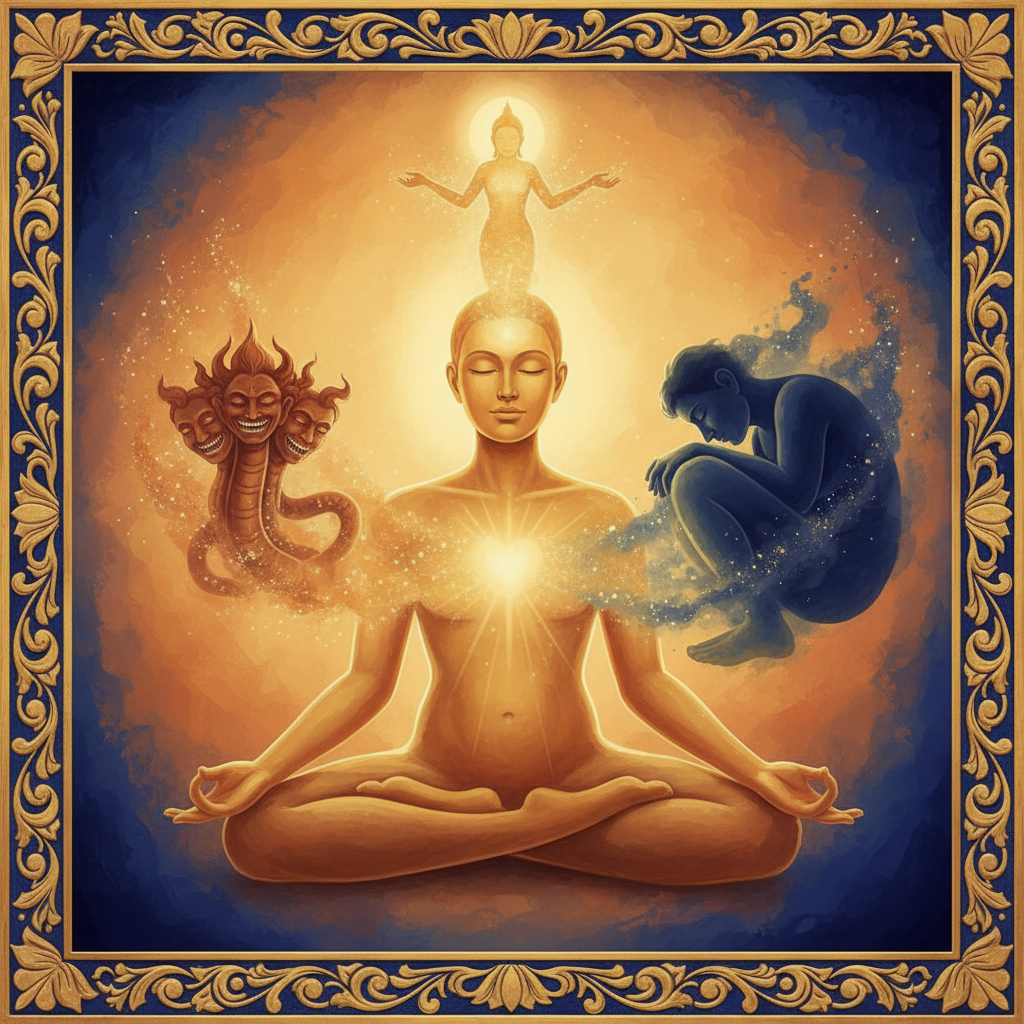
In this enlightening lecture, Sri Swami Jyotirmayananda delves into the profound teachings of the Tulsi Ramayana, specifically focusing on Balakanda, verse 180. The discourse emphasizes the theme of conquering internal demons of anger, inertia, and the ego through a rich narrative.
The Nature of Anger
Anger, as described by Swami Jyotirmayananda, is not merely a feeling but a state of existence that dissipates completely when we overcome it. It ceases to hold any power in your life, akin to how darkness disappears in the presence of light.
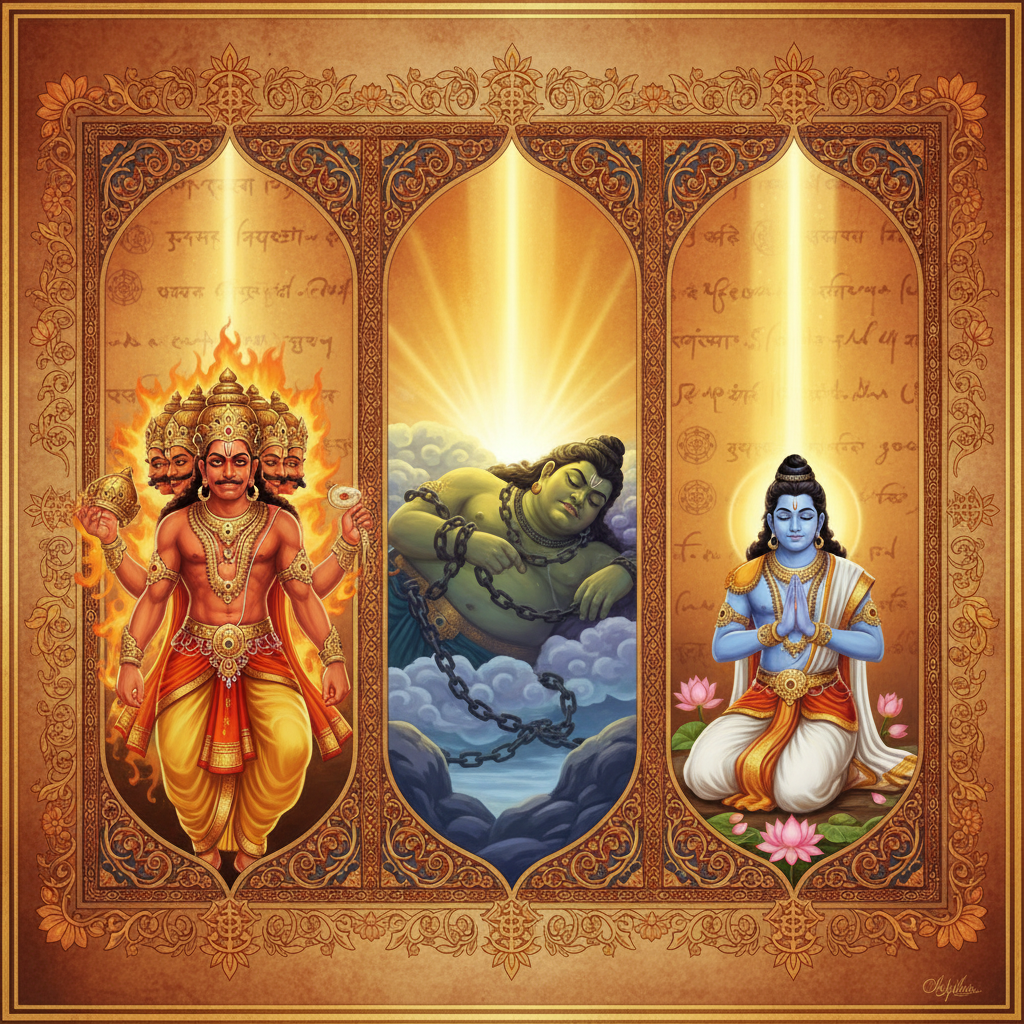
Understanding the Three Demons
This verse introduces three significant demon figures who symbolize the internal battles we face:
- Ravana (Ego): Represents the destructive nature of excessive self-importance and arrogance.
- Kumbhakarna (Inertia/Tamas): Signifies the slumbering force within us that hinders spiritual progress through laziness and indulgence.
- Vibhishana (Sattva): Embodies the aspect of turning towards the light, a force that guides us to righteousness and harmony with the divine.
These figures invite listeners to examine their inner landscape, revealing the power of choice in combating social and personal adversities.
The Path to Transformation
To conquer these demons, Swami Jyotirmayananda offers practical guidance:
- Suppress Negative Feelings: Do not express anger in actions or words; create a space for reflection.
- Substitute with Positivity: Engage the mind in prayer or affirmations to acknowledge the divine’s presence in the heart.
- Transmute Negative Energy: Channel the energy of anger into positive actions that lead towards spiritual growth.
Scholar’s Corner
Tulsidas’s Ramcharitmanas, Balakanda verse 180 serves as the scriptural foundation for these teachings. This verse illustrates the family of demons, using literary devices to convey deeper truths about ego and the individual’s spiritual journey:
“kumukha akampana kuliśarada dhūmaketū atikāya | eka eka jaga jīti sakahiṃ aise subhaṭa nikāya ||”
Glossary
- Ravana: Symbol of ego and pride.
- Kumbhakarna: Represents inertia and sluggishness.
- Vibhishana: The aspect of faith and turning towards goodness.
- Tamas: The quality of darkness and inertia in a person.
- Sattva: The quality of purity, harmony, and goodness.
CTA
Watch the full lecture below.
This study guide is drawn from the archived teachings of Sri Swami Jyotirmayananda.