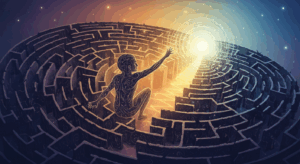
The Mind That Liberates: Manana and the Path to Upasama | Yoga Vasistha Lesson 139
“The highlight of the philosophy is always: man eva manushyanaam karanam bandha-moksha . Mind is the cause of bondage AND release . The same mind

“The highlight of the philosophy is always: man eva manushyanaam karanam bandha-moksha . Mind is the cause of bondage AND release . The same mind

In this evening’s Yoga Vasistha teaching, Sri Swami Jyotirmayananda offers one of the clearest distinctions a spiritual student can hear: what the
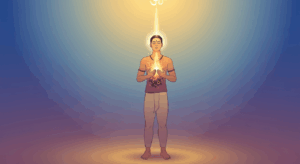
What if the secret to mastering anger isn’t fighting it, but redirecting it toward the very source of love itself ? Most spiritual teachings tell us
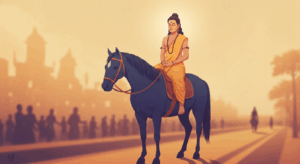
Can you be absolutely free of all karma while performing karma in daily life? This is not a riddle. It is the central promise of Karma Sannyasa Yoga , the
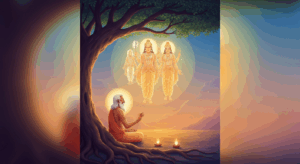
There is a question that runs quietly beneath much of religious life: if Lord Rāma came, if Lord Kṛṣṇa came, if Jesus came — and the world still bears its
In our daily lives, it is incredibly easy to confuse temporary pleasure with true joy. We chase accomplishments, acquire possessions, and seek out
The human mind is in a constant state of agitation, endlessly looking for stability in a world that is inherently transient. According to the ancient
The pursuit of spiritual growth often brings a hidden, yet potent, challenge: the ego. As we develop discipline, insight, and a deeper connection to the
The demands of modern life often leave us exhausted, swinging between a desire to accomplish worldly goals and a desperate craving to escape it all. This
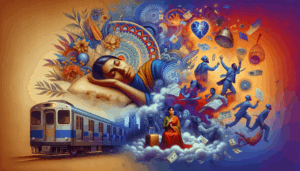
Modern life is fraught with stress and a constant sense of lack. We often believe that if we just acquire the right relationship, the correct amount of
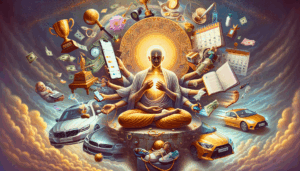
We often spend our days attempting to secure happiness by accumulating objects, planning for the future, and seeking thrilling experiences. Yet, despite
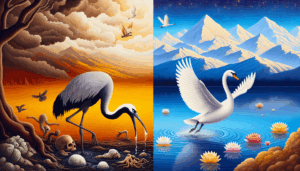
There is a question in the Yoga Vasistha that has a way of staying with you: “How can Lord Shiva, who delights in the dance of Goddess Parvati, be